Welcome to my Syllabus Series. I was a high school English teacher for over five years and nothing gives me more joy than to help others learn something new. As someone who also reads a large amount of non-fiction, I wanted to create a new series where I pick a singular topic that you might want to learn more about. This edition is all about the current climate crisis.
First, I’ll take you through books to read through various genres and the order you should read them in to scaffold and layer your learning. But learning isn’t all about reading, so I’ll also share video resources, shorter articles, and give you a list of people to follow on social media in order to stay up to date well beyond today. Finally, learning means nothing without action, so I will also provide you ways that you can do something with what you’re learning.
This isn’t meant to be overwhelming and is laid out in a way that it’s learning you have time for. Therefore, the list isn’t extensive and manageable. Of course, there’s always more learning to be done.
Books to read
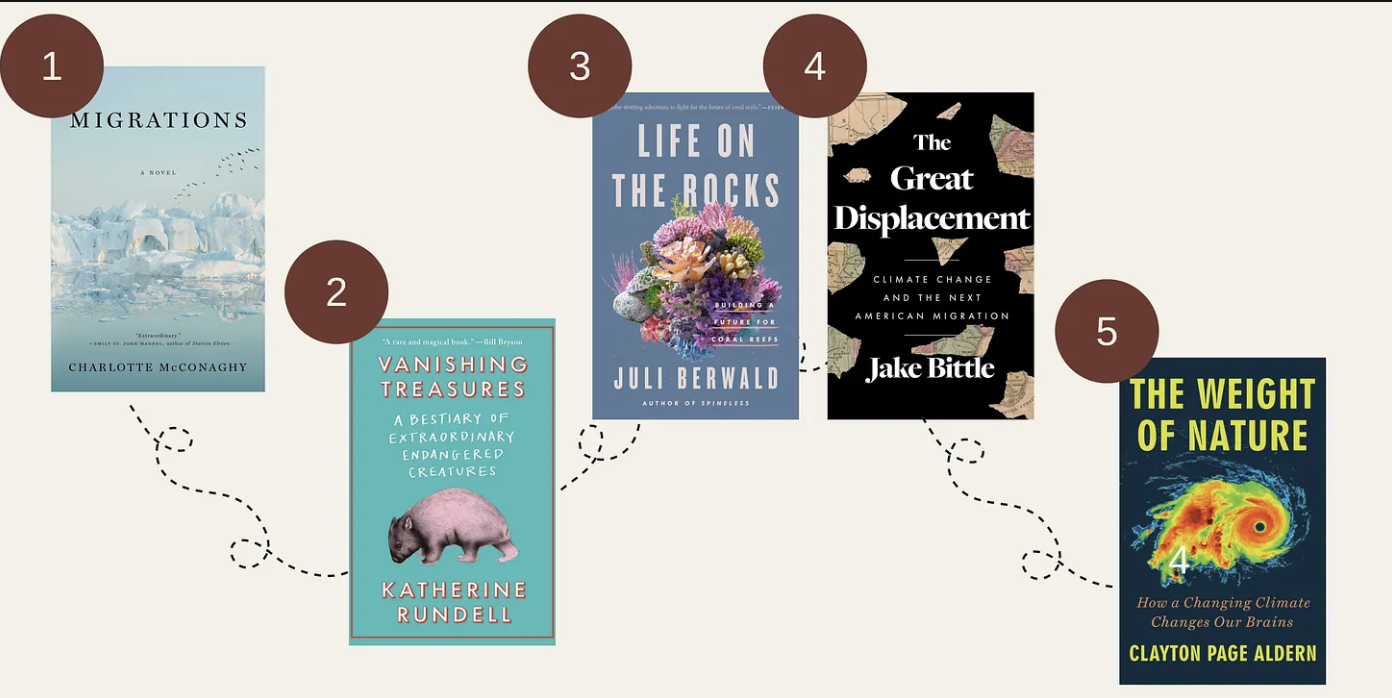
A collection of books read to read. For the best learning experience, try to read the books in this order.
Fiction
“Migrations” by Charlotte McConaghy
A devastating yet healing novel (also one of my all-time favorites) that takes place in a near future where the main character is following arctic terns on what may be their last migration.
Essays
“Vanishing Treasures” by Katherine Rundell
An accessible colleciton of essays each focused on a different endangered animal. The essays focus on why these animals are endangered (usually due to climate change and/or human interaction) and what we can do about it.
Memoir
“Life on the Rocks” by Juli Berward
This is a blend of memoir and science writing (one of my favorite genres) that follows a marine biologist focused on saving our coral reefs from the impacts of climate change.
Non-fiction
“The Great Displacement” by Jake Bittle
An increidble and timely piece of journalism that looks at the climate change impact (and the impact of our systems and capitalism) on every day lives of people in America. This book argues that climate displacement and refugees will continue to grow in our future and showcases what that could look like and what we can do about it.
Non-fiction
“The Weight of Nature” by Clayton Page Aldern
A look at the effects of climate change on our brains that gives us a new and eye-opening look as to how we’re affected by climate change on a daily basis and how it’s not just something that’s affecting our outside lives, but our inside ones as well.
Other media to consume
TV series
"Our Planet” on Netflix
Just like the rest of the Planet Earth series, this series explores the lives of different animals around the world. What makes this particular one different is that it focuses on the impact of climate change on these animals. Warning: this show absolutely destroyed me.
Article
“Watching Hurrican Helene” by Nathan Shuherk
An exploration of the experience watching natural disasters occur in real time from our phones and what it means for our future.
YouTube video
“Can clean energy handle the AI boom?” by Vox
Looking at the amount of energy needed to support our data and AI.
Article
“Emissions from Israel’s war in Gaza have ‘immense’ effect on climate catastrophe” by Nina Lakhani
This article was written at the beginning of the genocide and reports that the emissions generated during the first 2 months were “greater than the annual carbon footprint of more than 20 of the world’s most climate-vulnerable nations”.
Report
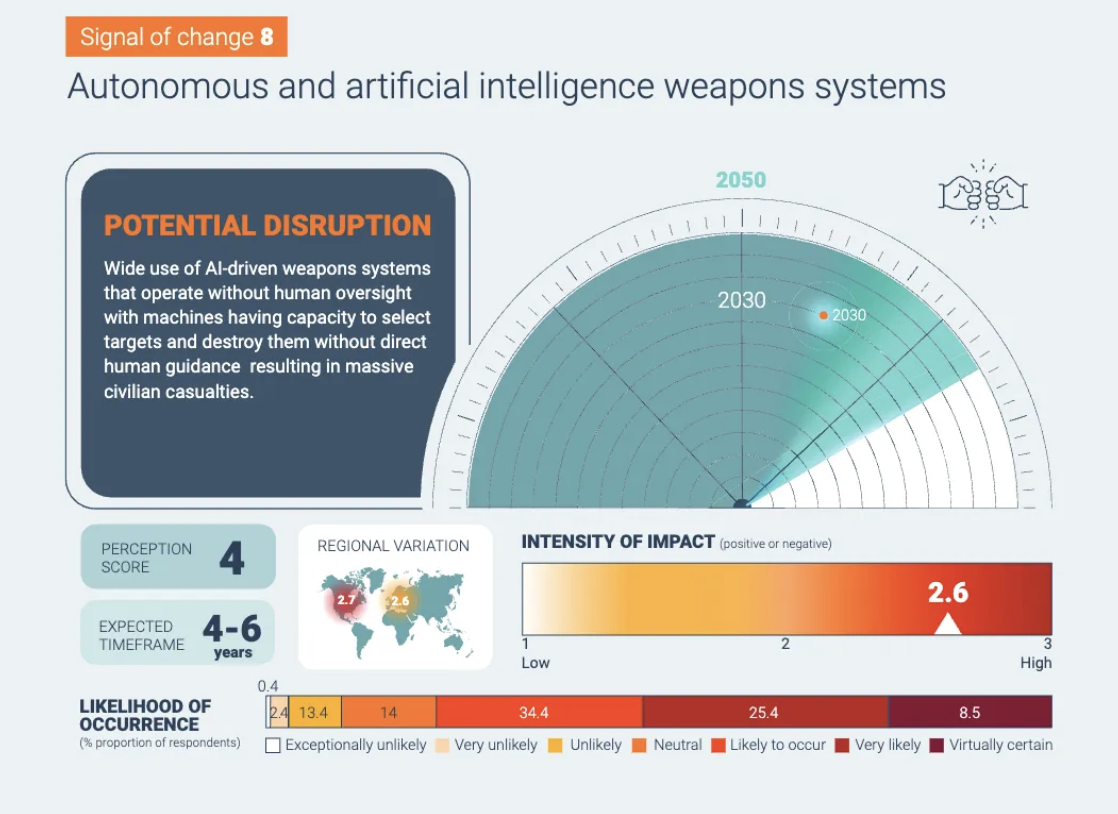
"A global foresight report on planetary health and human wellbeing” by UN Environment Programme
A report published in 2024 that lays out 18 signals of change within the climate, what we need to be aware of, and what we can do about it
Who to follow
When learning about a subject where community is key it’s important to find people to help you along the way. Here are a few people and organisations I encourage you to follow:
Nathan Shuherk: If you’re looking for not only incredible book recommendations about climate change, but also personal writing about the climate crisis that’s a beautiful mixture of science writing and memoir, look no further. Also recommending reading his Substack.
Emily Atkin’s “Heated” Substack: A Substack focused on the fact that you aren’t the reason the world is burning and exposing the systems that are responsible.
Xiye Beara: A climate justice activist from the Otomi-Toltec Indigenous community in Central Mexico.
Greta Thurnberg: Arguably one of the largest voices in the world when it comes to climate change, Thurnberg is consistent at challenging the systems responsible for climate change including colonialism and genocide.
Nina Lakhani: Check out her backlist of articles on “The Guardian”. She’s doing some really important reporting.
Take action
Donate to mutual aid efforts
In the midst of and after a climate disaster, we’ve seen time and time again that the systems that are built to help us, aren’t. As we work towards systemic change, we will need to rely on mutual aid in order to recieve and give immediate help to those in need.
Whenever a disaster occurs, find people who are on the ground and either living there and/or sharing resources. Pay attention to mutual aid opportunities and give where you can (whether that be through monetary donations, donations of goods, donations ot time, etc). At the very least, you can share these resources to your own communities if you’re not able to give.
Here are some places that you can donate and help with the current wildfires in LA:
Mutual Aid LA Network has a huge spreadsheet of mutual aid resources
Pasadena Humane has had an unprecedented influx of animals that continues to grow. They’re no longer looking for physical donations, but do still need monetary donations and foster homes.
LA Street Care needs volunteers and donations for their mutual aid work providing resources to individuals who are unhoused.
Donate to individual family’s GoFundMe Pages. Here are spreadsheets for displaced Black families, Latine families, Filipino families
Don’t use AI
AI is one of the things that is rapidly impacting climate decline. According to the UN Environment Programme:
The electronics they house rely on a staggering amount of grist: making a 2 kg computer requires 800 kg of raw materials. As well, the microchips that power AI need rare earth elements, which are often mined in environmentally destructive ways, noted Navigating New Horizons.
The second problem is that data centres produce electronic waste, which often contains hazardous substances, like mercury and lead.
Third, data centres use water during construction and, once operational, to cool electrical components. Globally, AI-related infrastructure may soon consume six times more water than Denmark, a country of 6 million, according to one estimate. That is a problem when a quarter of humanity already lacks access to clean water and sanitation.
While it may be impossible to not use AI at all in our current tech climate, be aware of what’s using AI and when and try to not utilize it.
Protest
You’ll notice a pattern that this will always be an action step for me here. If you are able, protesting helps make our voices louder. It’s a tool meant to disrupt and force those in charge to take action. Make sure that you continue to make your voice heard on the issues you care about.
If you’re unable to physically protest, there are ways to spread information and awareness from your home. Use social media as a tool to educate, inform, and push for systemic change. The reality is that individual changes won’t make a dent in curbing climate change. In order to make a dent we need to focus on who is affecting it the most: corporations, billionaires, and our governments. We need to push for systemic change here.
As I mentioned earlier, learning is an ongoing practice. If you would like more resources, don’t hesitate to reach out. And if you have any resources to add to this list, please add them to the comments below.


